Polyjacking and mudjacking are both concrete leveling solutions. They’re used when the concrete slabs crack or become uneven due to poor soil composition. By using these methods, you can restore the structural stability of concrete without relaxing the entire slab (which is costly and time-consuming).
Now, you might be thinking, what’s the difference between the two methods when they deliver the same benefit? Or is one better than the other?
In today’s article, we’ll explain this in detail. Let’s get started.
Polyjack and Mudjack: What’s the Core Difference between the Two?
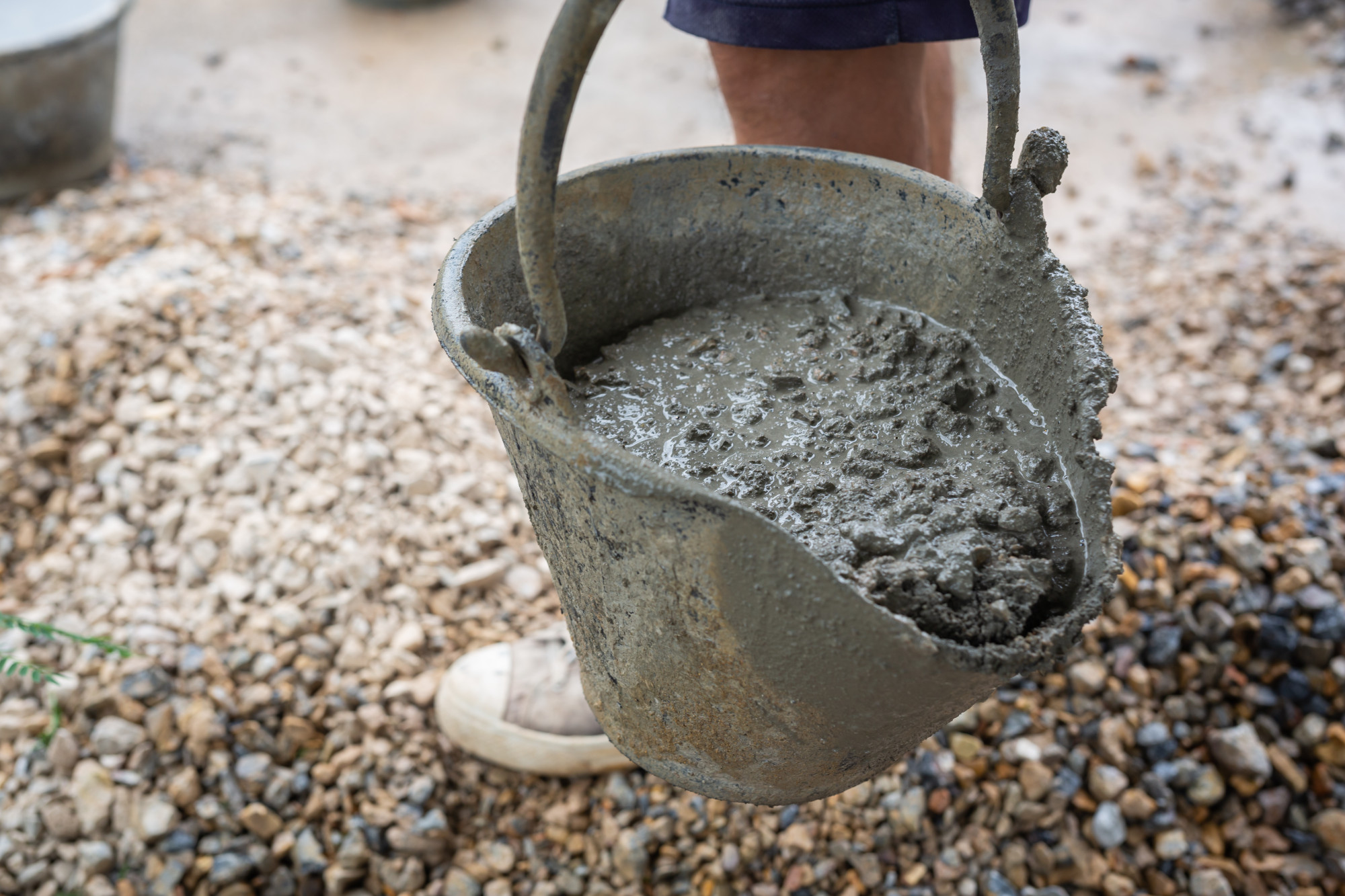
So, in mudjacking, the concrete is leveled by pumping mud beneath a building or driveway. Here, a hydraulic pump pushes the mud into the holes drilled in the slabs. It’s a fundamental approach to concrete leveling, used when the decay is not severe.
But in the second method, a polyjack contractor uses polyurethane foam instead of mud. Here, the concrete is leveled when the holes in the slabs are filled with foam. The foam expands, and the concrete gets filled.
The second method is more efficient than the other for a variety of reasons, which we’ll mention here.
Appearance
Using polyurethane means fewer (and smaller) holes would be drilled into the slabs. But in the second technique, you need more holes, which ultimately degrade the slab’s appearance. Polyjacking will result in more polished final products. Similarly, you’d also need fewer equipment and fewer resources (which means you’d be spending less on the project).
Less Time Required
Polyurethane is faster than mudjacking as the foam settles in minutes. You’d be ready to walk and drive on the concrete right away. But mudjacking can take 24-72 hours before you allow any foot traffic. This is a major concern for commercial property owners who rely on parking lots for customer traffic.
Longevity and Durability
In mudjacking, the underlying soils primarily lift the concrete. Now, the soils can be damaged or cracked during sudden freeze-thaw cycles. So, you cannot guarantee whether the concrete will stay like this in different seasons.
With polyurethane, the foam hardens and cannot fail at extreme temperatures. Some concretes can even last a lifetime if the outside conditions are suitable.
The Weight Factor
Concrete often settles due to poor soil conditions beneath the slab. Using a lightweight material means the already weak soil won’t get burdened further. Polyurethane is lighter, weighing only 2-4 lbs. per cubic foot. Mudjacking, on the other hand, is heavy, weighing about 100 lbs. per cubic foot.
The Cost Factor
Mudjacking is certainly cheaper than polyurethane, but there is no guarantee your concrete will stay level. It means you’ll likely repeat the process again and again, which will cost you way more in the long run.
Doing it right the first time is far more convenient, and polyurethane will do that for you.
Bottom Line
Both the methods we’ve discussed above have their pros, but polyjacking wins the race when we compare all aspects. If you really want long-term stability without going back and forth every two months, polyjacking is the way to go.