Heat pumps can provide efficient heating and cooling for homes and businesses, but proper installation is essential for reliable performance. Choosing experienced heat pump installers can help ensure that the system is correctly sized, positioned, connected, and tested. Professional installation may also reduce the risk of avoidable problems and help homeowners get the most from their equipment. Understanding the benefits of professional installation can make it easier to decide how to approach a heat pump project.
1. Correct System Sizing
Choosing the right heat pump size is an important part of installation. A system that is too small may struggle to maintain comfortable temperatures, while an oversized system may cycle inefficiently.
Professional installers can evaluate factors such as building size, insulation, windows, climate, and existing heating or cooling requirements to recommend an appropriately sized system.
2. Proper Installation
Heat pumps include electrical, refrigerant, airflow, and mechanical components that must work together correctly.
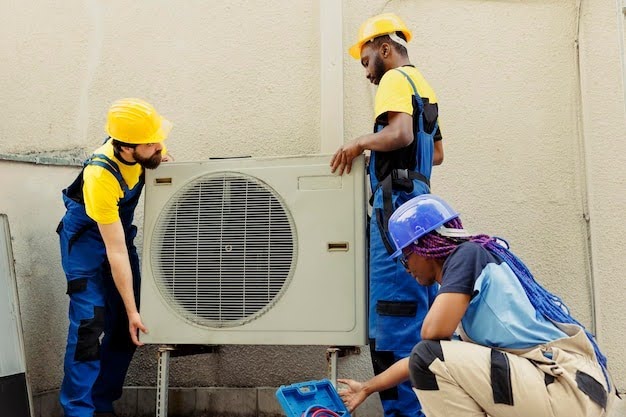
Heat pump installers with appropriate training and experience can follow manufacturer specifications and applicable installation requirements. Proper installation can help the system operate safely and efficiently.
3. Improved Energy Efficiency
Installation quality can influence how efficiently a heat pump operates. Incorrect connections, poor airflow, unsuitable placement, or improper system settings can reduce performance.
Professional installation helps ensure that important components are configured correctly, which can support efficient operation and potentially reduce unnecessary energy use.
4. Better Indoor Comfort
A correctly installed heat pump can provide more consistent heating and cooling throughout a property. Professionals can assess airflow and system placement to help distribute conditioned air effectively.
Proper commissioning and testing can also help identify performance issues before the installation is considered complete.
5. Access to Professional Expertise
Experienced heat pump installers understand the different types of heat pump systems and their installation requirements. They can explain available options and help property owners choose equipment that suits the building and local climate.
Their knowledge can be particularly useful when replacing an older heating or cooling system. They can also identify potential installation challenges before work begins and explain how different system options may affect overall performance.
6. Safer Electrical Connections
Heat pumps require electrical connections that must be installed according to applicable safety requirements. Professional installers can inspect existing electrical capacity and make appropriate connections for the new equipment.
This can reduce the risk of improper wiring or other installation-related electrical problems. They can also verify that the electrical supply is suitable for the equipment before completing the installation.
Final Thoughts
Hiring professional heat pump installers can provide several benefits, including accurate system sizing, proper installation, improved efficiency, better comfort, safer electrical work, appropriate refrigerant handling, and reduced installation risks. Professional expertise can also help homeowners understand equipment options and manufacturer requirements. Before hiring an installer, check their qualifications, experience, licensing requirements where applicable, insurance, and customer reviews. A properly installed heat pump can provide dependable heating and cooling while helping property owners make better use of their investment over the long term.