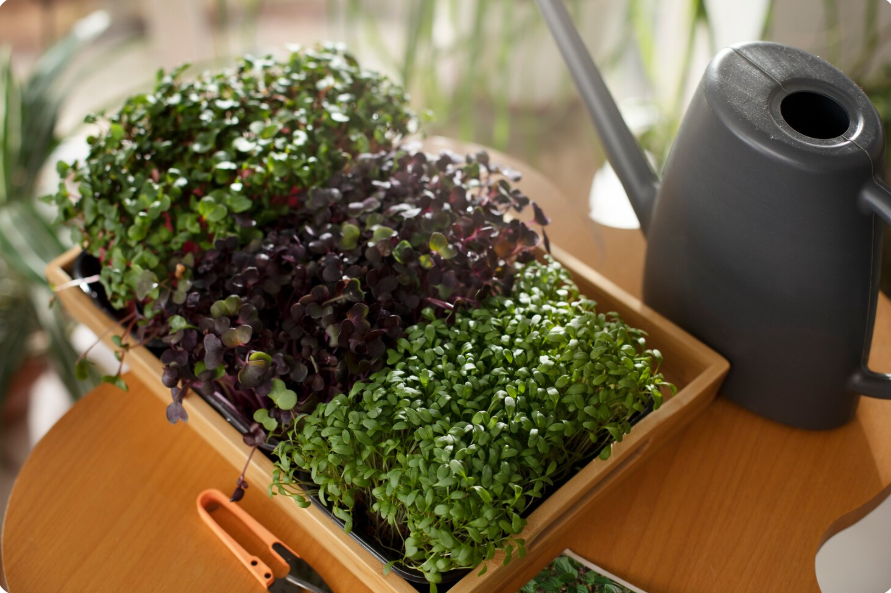
Fresh herbs can make even a simple meal taste a little more special. A handful of basil on pasta or a few mint leaves in a cold drink feels like a small win, especially when you picked them yourself. The best part is that you do not need a big garden to enjoy them.
A sunny windowsill and a little patience can go a long way. Growing herbs indoors is a fun hobby that saves money and adds fresh flavor to everyday cooking.
Why Grow Herbs
Indoor herbs offer more than just ingredients for dinner. They bring a fresh scent into your home and add a touch of green that can brighten almost any room. Watching tiny leaves grow into healthy plants is surprisingly satisfying, even if you don’t consider yourself a gardener.
Buying fresh herbs at the grocery store can become expensive, especially when half the bunch ends up forgotten in the fridge. Growing your own lets you snip only what you need.
Finding A Good Spot
Most herbs enjoy plenty of light, so placing them near a bright window is usually a good start. South-facing windows often work well, but any spot with several hours of daylight can help many common herbs grow.
Good airflow is also helpful because it keeps plants healthier. Remember that not every herb has exactly the same preferences. Basil may enjoy more sunlight than parsley, so it is worth paying attention to how each plant responds and making small adjustments when needed.
Use Indoor LED Grow Lamps
Some homes simply do not receive enough natural sunlight throughout the year. Short winter days, cloudy weather, or rooms with limited windows can slow the growth of indoor herbs. In these situations, indoor led grow lamps can provide the extra light plants need to stay healthy and continue producing fresh leaves.
These lamps are especially useful for people living in apartments or anyone growing herbs in kitchens that lack bright windows. They work best as part of a balanced routine that also includes proper watering, suitable temperatures, and regular care.
Simple Care Habits
Indoor herbs do best with steady care instead of constant fussing. Before watering, check whether the top layer of soil feels dry. Too much water can be just as harmful as too little. Trim herbs regularly to encourage new growth, and remove yellow or damaged leaves when you notice them.
Beginners often forget to check their plants until something looks wrong. A quick look every day makes a big difference. You can spot dry soil, drooping leaves, or tiny pests before they become bigger problems.
Fresh Herbs Daily
Growing herbs indoors is not about creating a perfect garden. It is about enjoying fresh ingredients and learning as you go. Every small success, whether it is your first basil leaf or a healthy pot of chives, builds confidence for the next plant.
Make caring for your herbs part of your daily routine. Water them when needed, give them enough light, and harvest a little at a time. Those simple habits soon become second nature. Before long, you will have a steady supply of fresh herbs ready to add flavor, color, and a little extra joy to everyday meals.